The company is more capable than it looks
There's equipment, certifications and years of orders delivered, and none of it is visible. A new buyer judges by what they see, and what they see is an out-of-date page.
Metalworking shops, industrial fabricators, maintenance firms and manufacturers almost always share the same problem: they do work that's hard to explain to an outsider, and it's that work that justifies the price. Whoever decides on the purchase is a production director, a maintenance manager or a purchasing department, and each one needs a different level of detail.
The answer isn't fancier language, it's better organisation. An industrial website has to say, in a few seconds, what the company does, with which materials and processes, at what capacity and for which sectors, and only then go deeper. If a buyer looking for a supplier doesn't find the process they need straight away, they move to the next one on the list.
The most frequent signs that the communication is falling short of the factory.
There's equipment, certifications and years of orders delivered, and none of it is visible. A new buyer judges by what they see, and what they see is an out-of-date page.
The processes are written in the factory's internal language. Whoever's searching doesn't use those words, and so they don't find you, neither on the website nor in search engines.
When equipment, parts or subcontracted work are being sold, the lack of an organised catalogue means repeating the same explanation to every customer.
Half the possible customers are abroad. Without an English version, or one in the language of the export markets, the company never even makes the supplier list.
Stand, leaflets and cards made in a hurry, each in its own style. The contact from the fair gets home, opens the website and doesn't recognise the company they saw in the hall.
From the brand to the catalogue, by way of a website a buyer can read in two minutes.
One page per process or capability, written in the words of someone looking for a supplier, with materials, tolerances, sectors served and how to request a quote.
Documents laid out for reference, printed or as a file, with tables, measurements and legible part numbers. They settle the sales conversation without repetition.
The website and sales material in other languages, with the right technical terms for each market, reviewed with someone who knows the product.
Logo, colours and rules, applied to the façade, interior signage, workwear, vehicles and documents. It's what makes a company look organised before the first meeting.
Stand, leaflets and sales presentation with the same face as the website, so the contact from the fair recognises the company when they look it up later.
Each page explains the process, the deliverables and the questions asked most often.
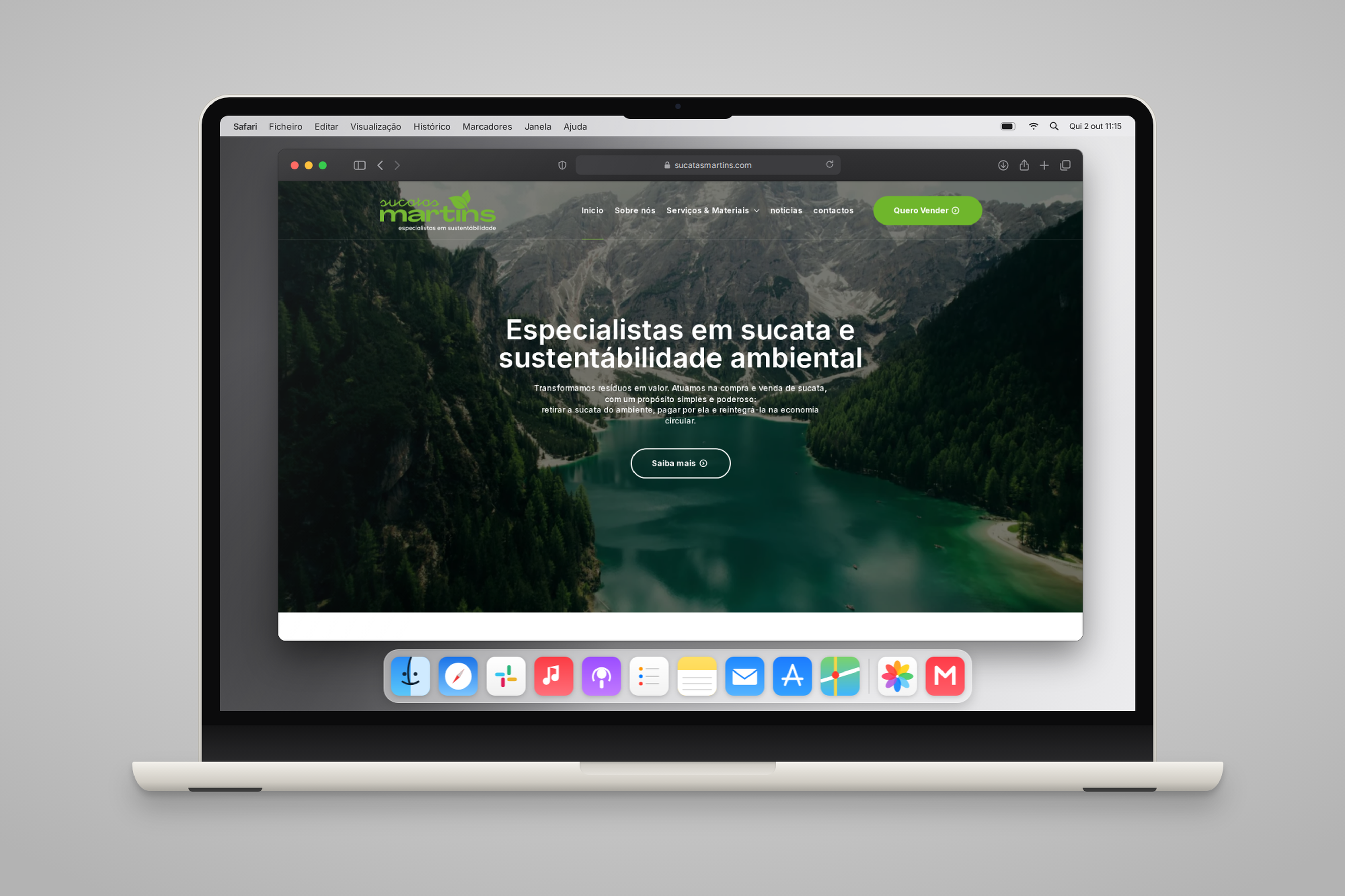
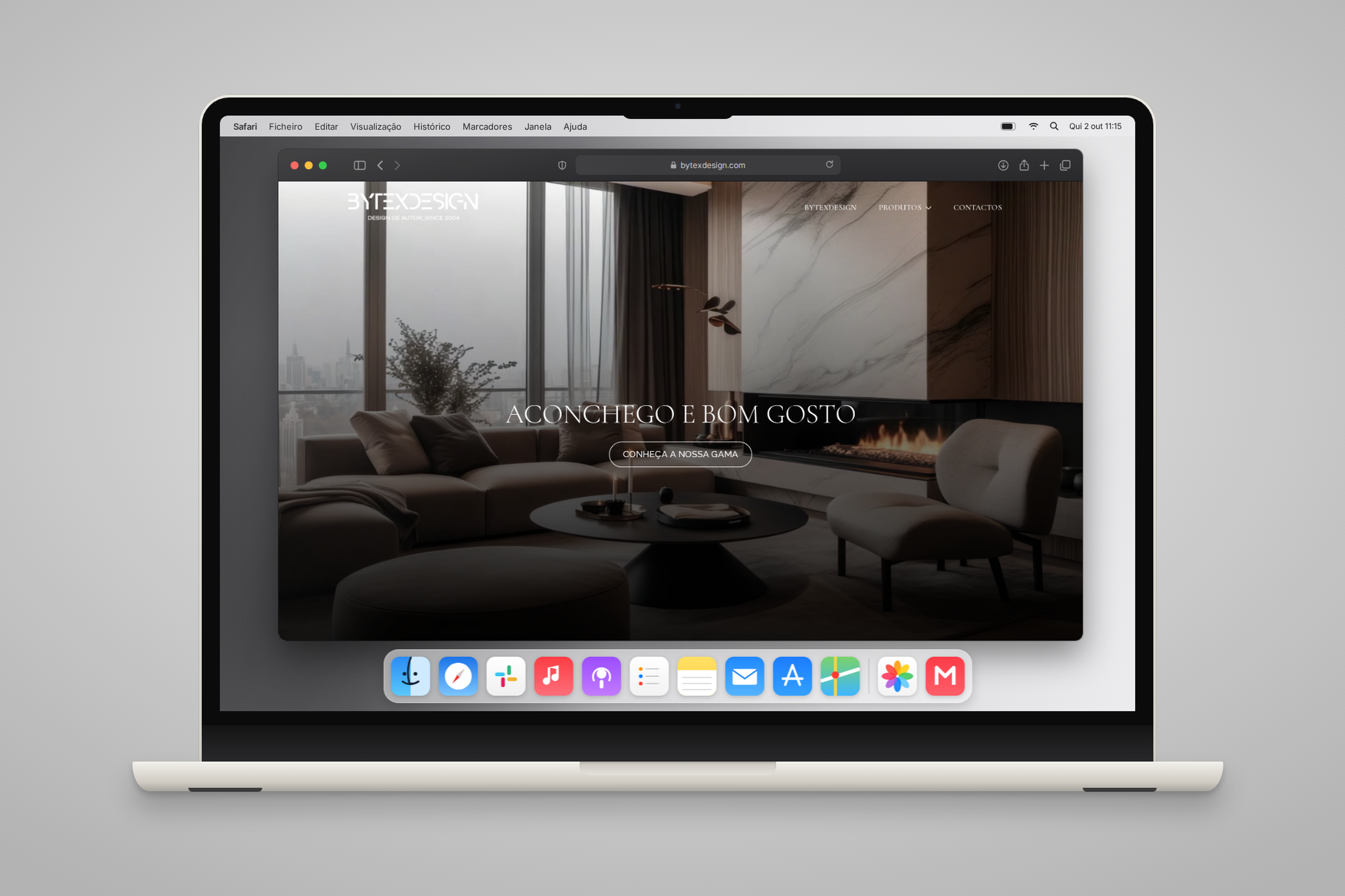
For Sucatas Martins we created the brand, the website, the print, the window graphics and the premises decoration, and looked after the communication. For Bytexdesign we built the website, and StrongWeld is brand work for an industrial company. Close to this sector is Toptronics, specialising in electrical installations and electromechanical maintenance in the Aveiro district, for whom we built the website. See the portfolio.
The questions that reach us most often in this sector.
Tell us what you make, for whom and for which markets. You'll get a proposal with scope, phases and price, from the brand to the website and the technical material.
Tell us when suits you and we will come back with a confirmation. It is not an automatic booking: a person always confirms the meeting.