The spreadsheet has hit its limit
The file is shared by several people, different versions are going round, and nobody can say which is the good one.
Management platforms, client portals and calculators built around the process your company already has.
Web applications answer the moment when the company's work no longer fits in a spreadsheet, nor in a bought program that was designed with someone else's business in mind. They run in the browser, with nothing to install, and they are there from the office computer, the laptop at home or the phone of whoever is out on the road.
We work with companies that have a process of their own and want to stop running it by hand: managing jobs and callouts, booking services, price calculators, portals where the client checks where their case stands without having to ring. This is not a website with more pages, it is a working tool.
If what you are after is a presence online, the service you want is building a website. If it is selling online, it is the online shop.
A web application makes sense when the problem is one of process, not of image.
The file is shared by several people, different versions are going round, and nobody can say which is the good one.
The information comes in through the website form, gets copied into the spreadsheet, and gets typed again into the invoicing program.
Every request for an update takes up someone in the office, when it could be looked up in a members' area.
The company has bent its process to fit the tool, instead of the tool serving the process.
The data exists, but it is scattered, and there is no single view to make a decision from.
Software to measure is not bigger software. It is software that only does what your process asks of it.
An application gets built in parts, with things working early. That way you see what is being made before it is all paid for and closed.
We work out how the job is done today, who does what, where the data lives, and what has to stay as it is for legal or contractual reasons. This is where it becomes clear what actually needs building, which is usually less than it looked.
We design the screens and the journey for each kind of user before any code is written, hand in hand with the UX/UI design service. Changing a drawing costs minutes; changing a built feature costs days.
The application grows in modules, with deliveries one after another into a staging environment. In each cycle you see what has been done, try it out, and change course while changing course is cheap.
When it needs to talk to invoicing, the CRM or the management program, we handle the integrations as part of the same job, so the data only goes in once.
We train the people who will use the platform, stay close through the first real weeks, and fix what only shows up under proper use. From there it grows at the pace the business sets.
At the end of the project you have a platform, and everything needed to keep it running.
Installed on a server, with a domain, a security certificate and automatic backups.
User accounts with different levels of access, so each person sees only what is theirs to see.
Search, filters and export to file, so you can carry on working outside the platform when you need to.
The agreed integrations, documented, with errors logged so a failure does not slip by unnoticed.
The code repository and the credentials for the services used, in your company's name.
A session with the team and written documentation of the day-to-day operations.
The questions that reach us most often before going ahead.
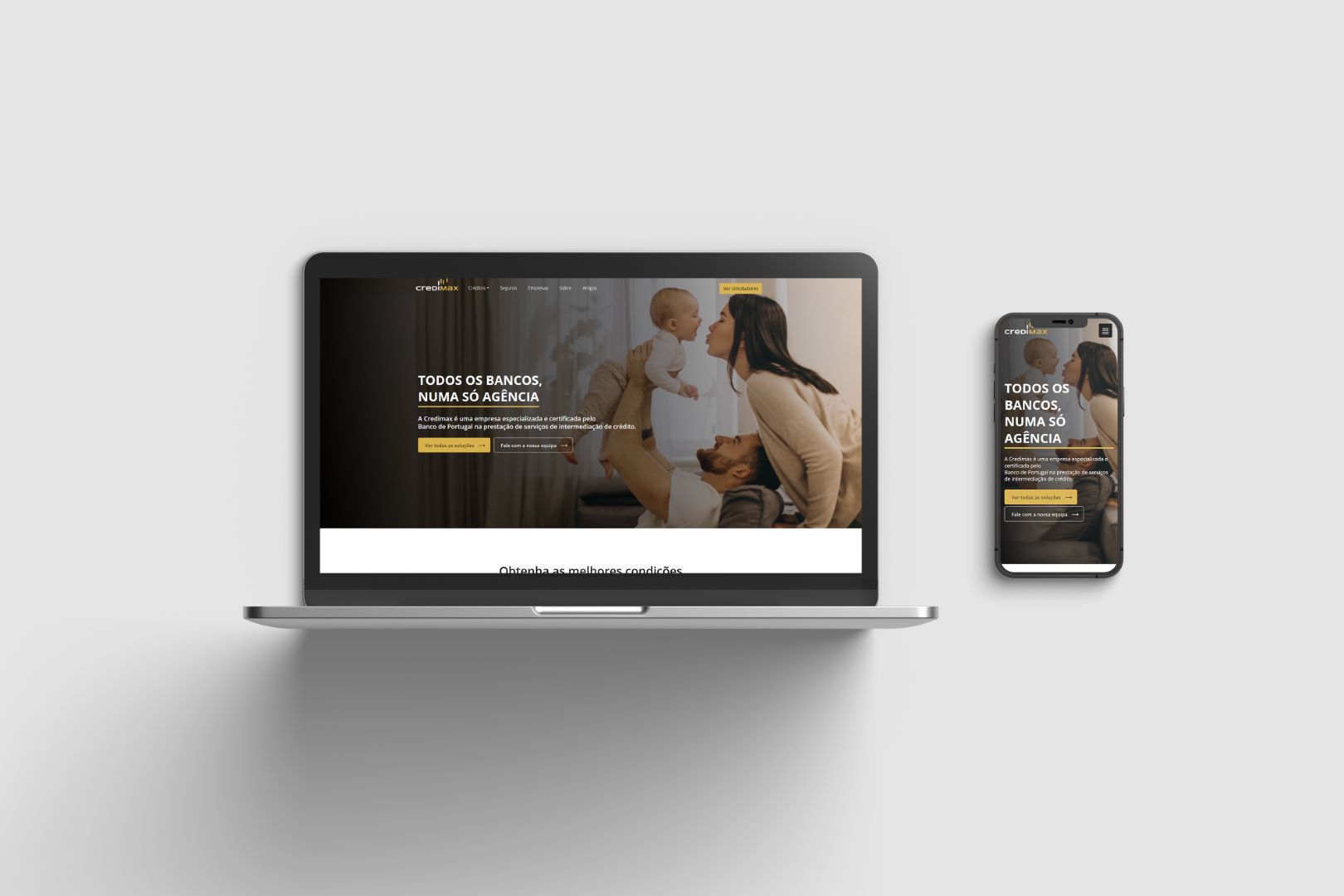
Credimax
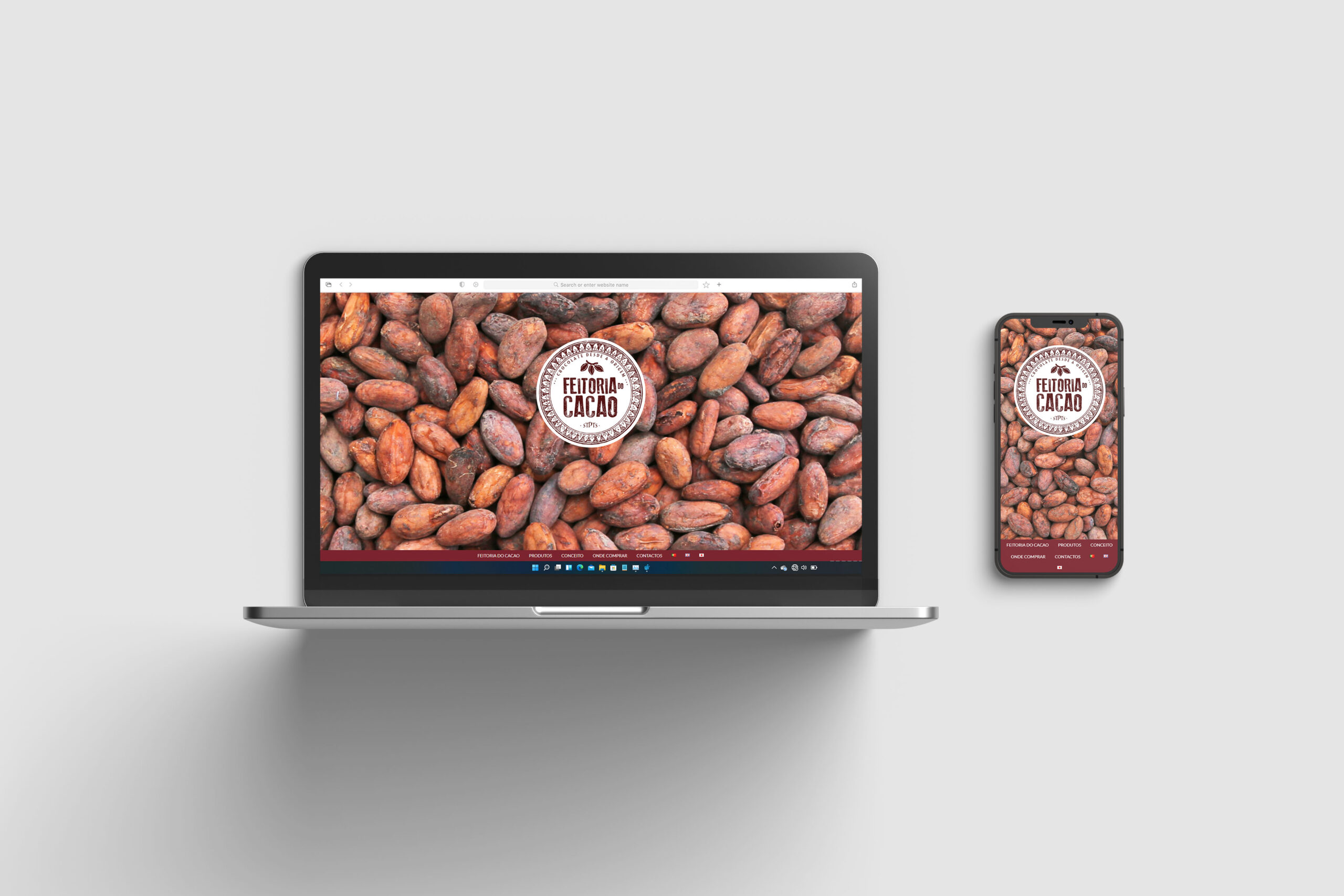
Feitoria do Cacao

Noeirinha

Toptronics
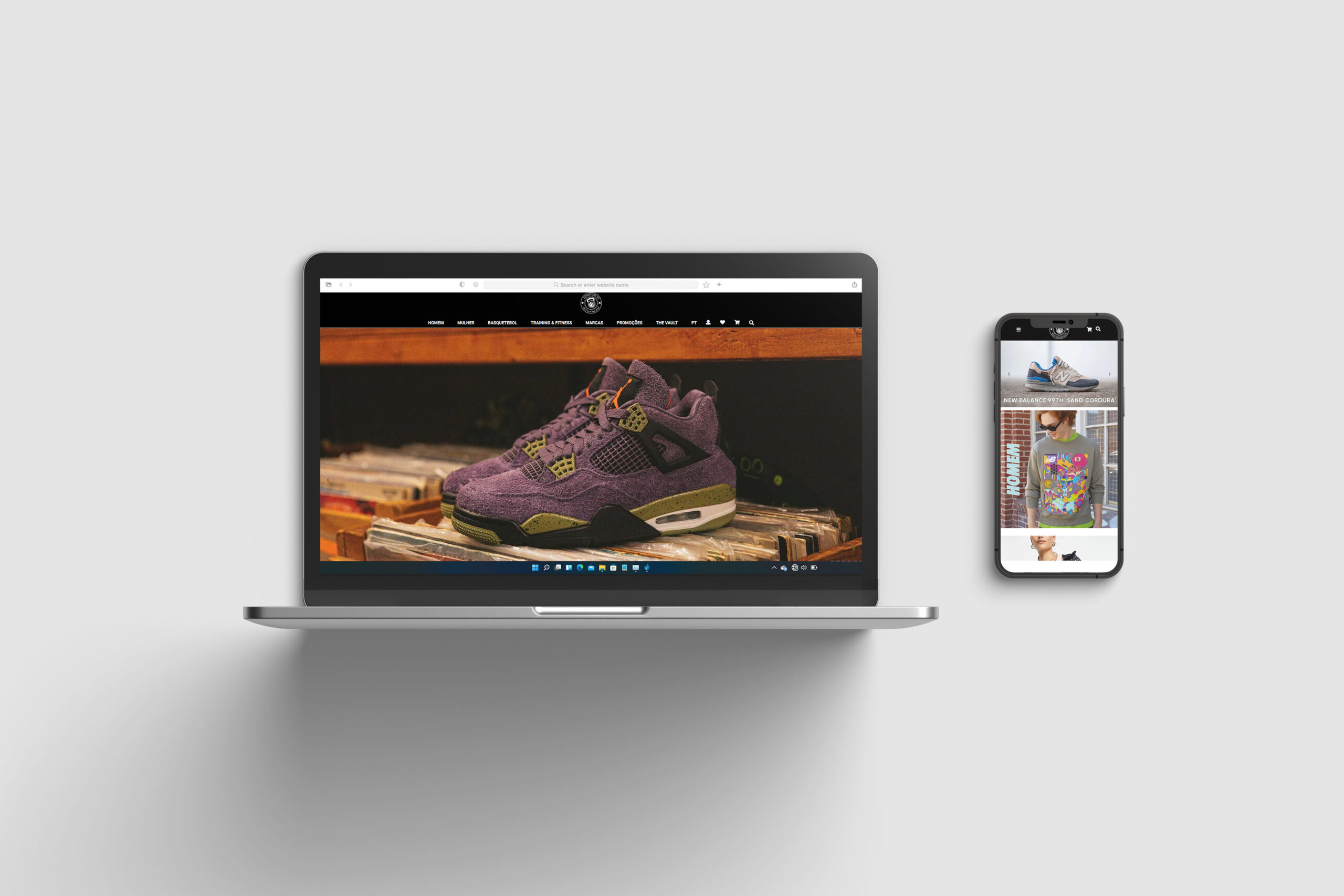
XIPA STORE

Suvicar

nomenu.digital

smartdeal

MAG – Real Estate

Jornadas – Bombeiros Velhos

LinesUp

Central do espetáculo

AsNew
Adabel
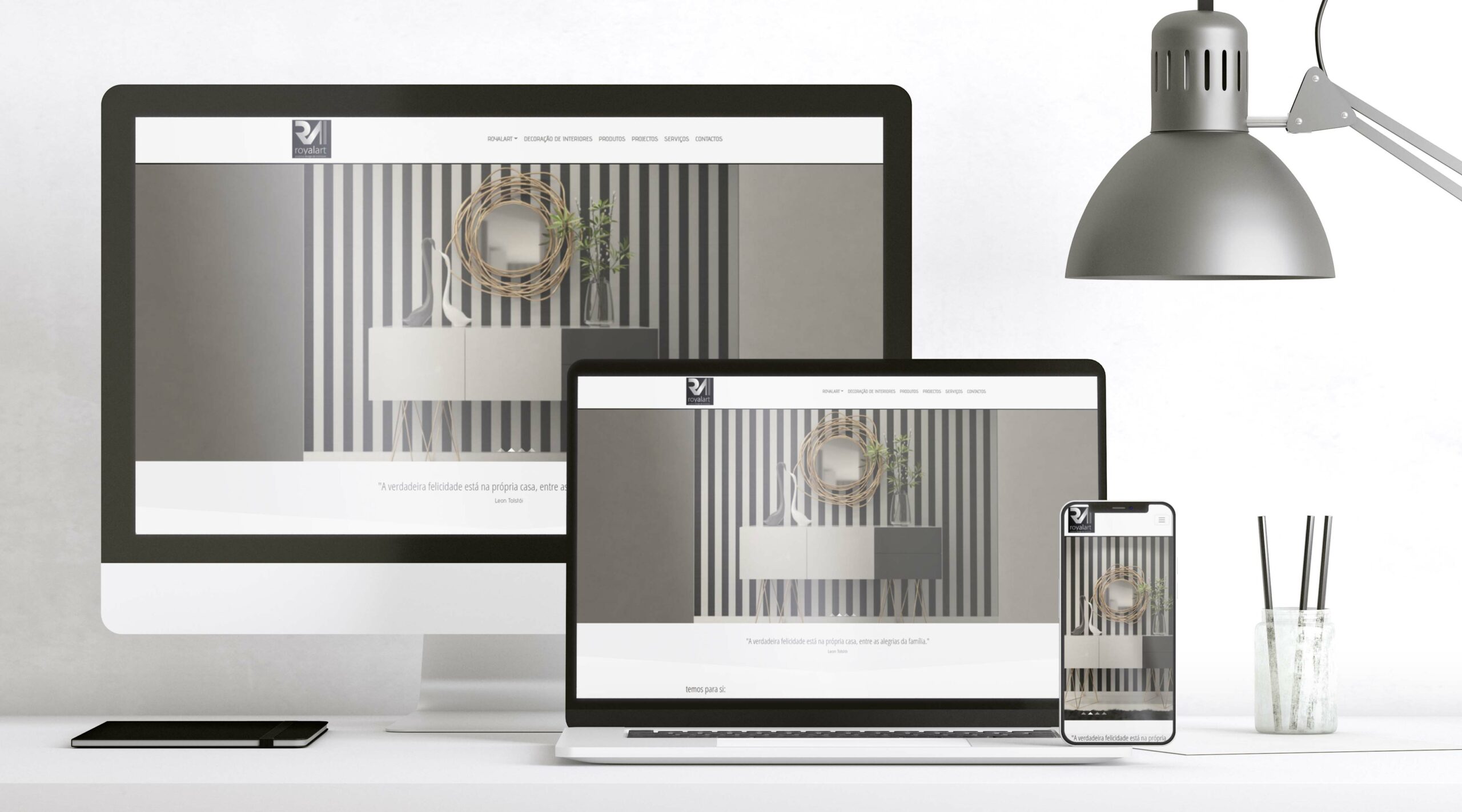
RoyalArt
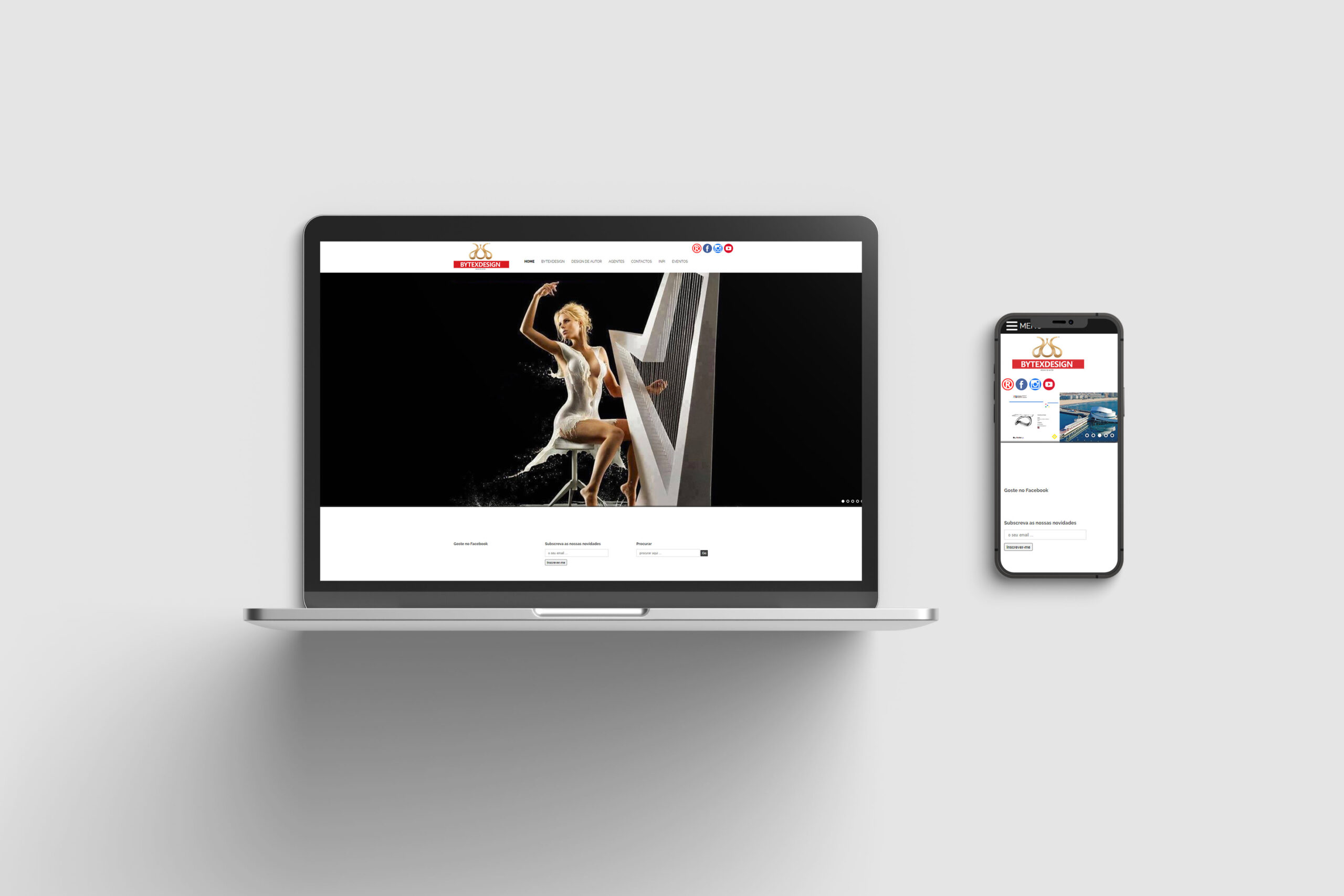
Bytexdesign
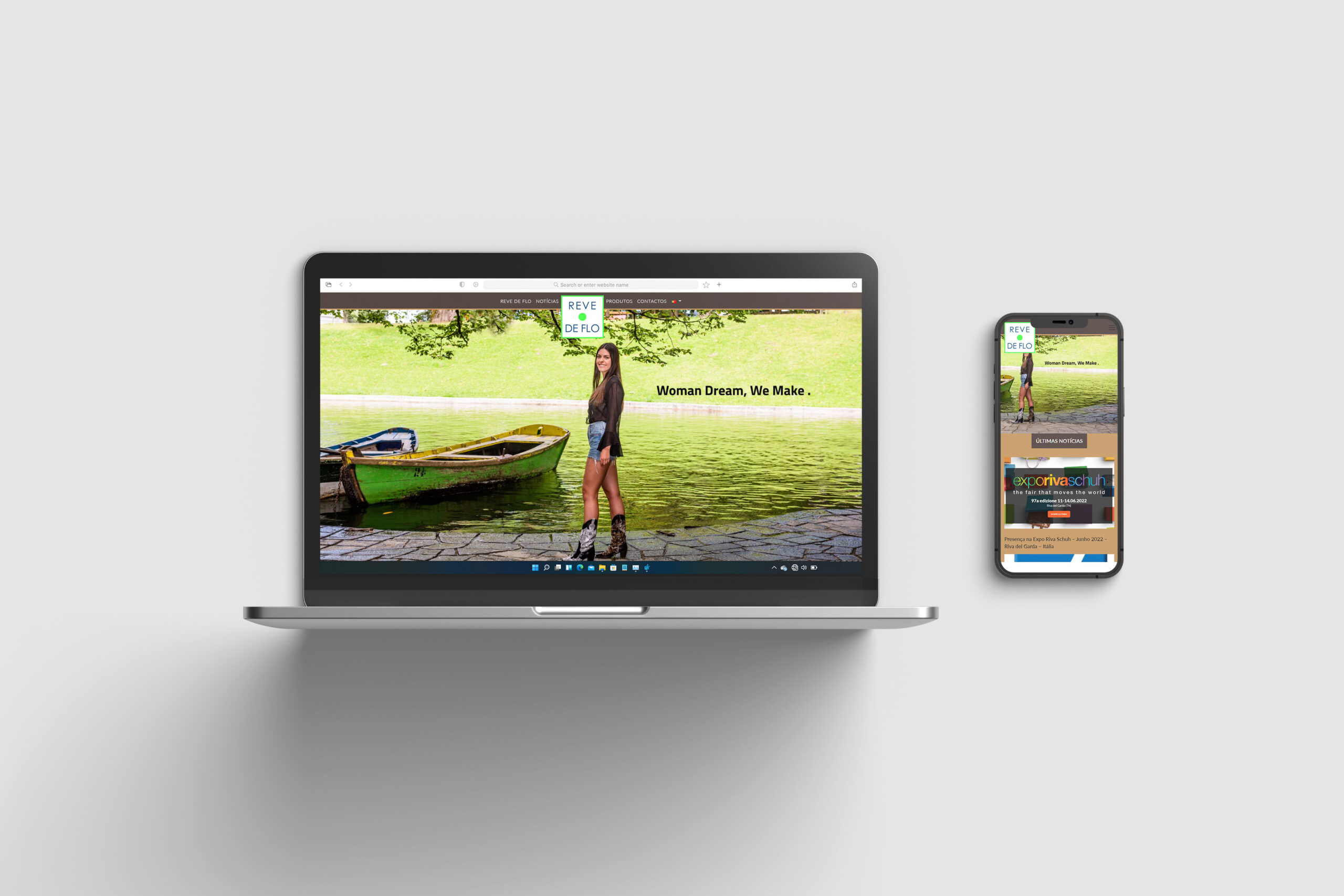
Reve de Flo
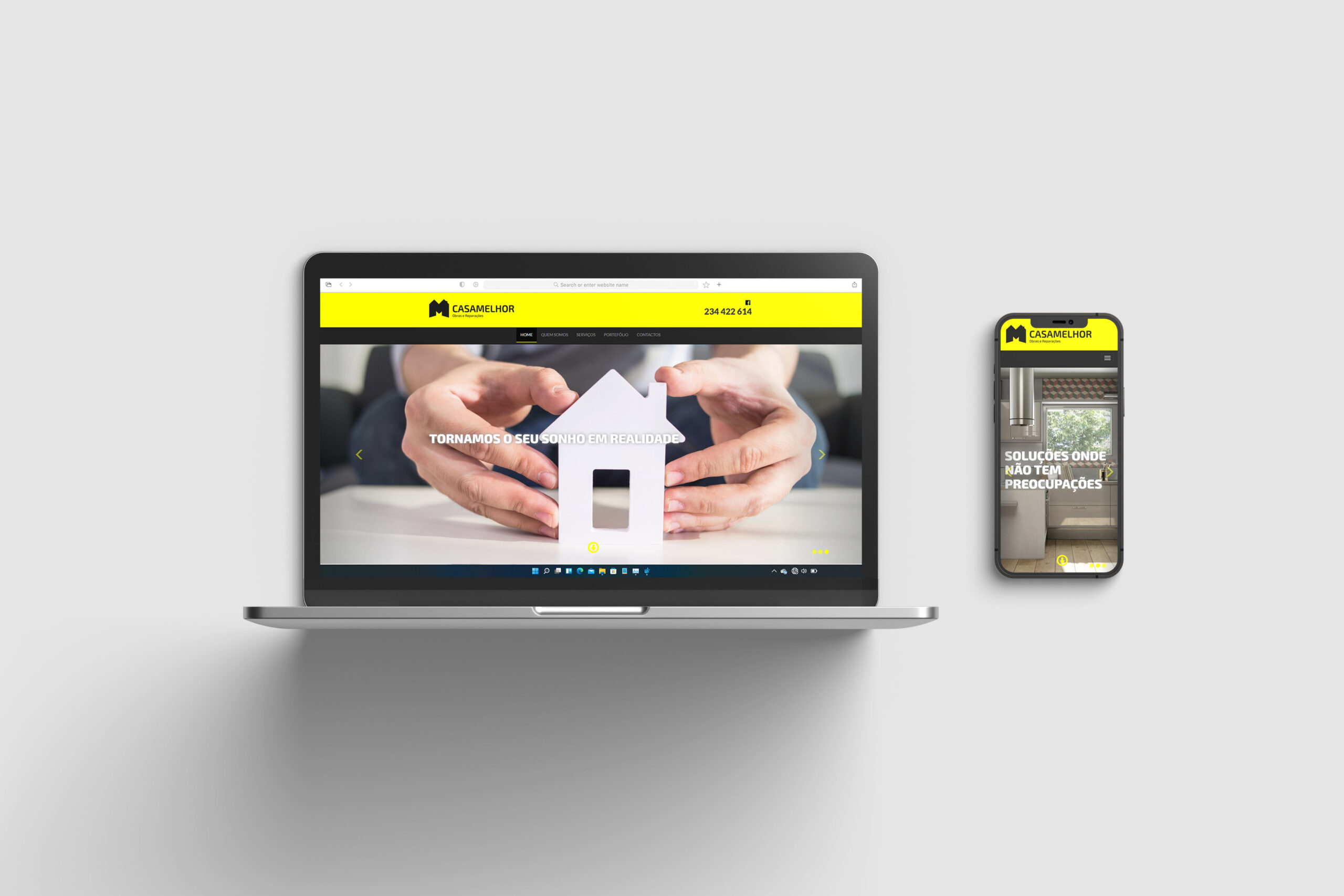
Casa Melhor
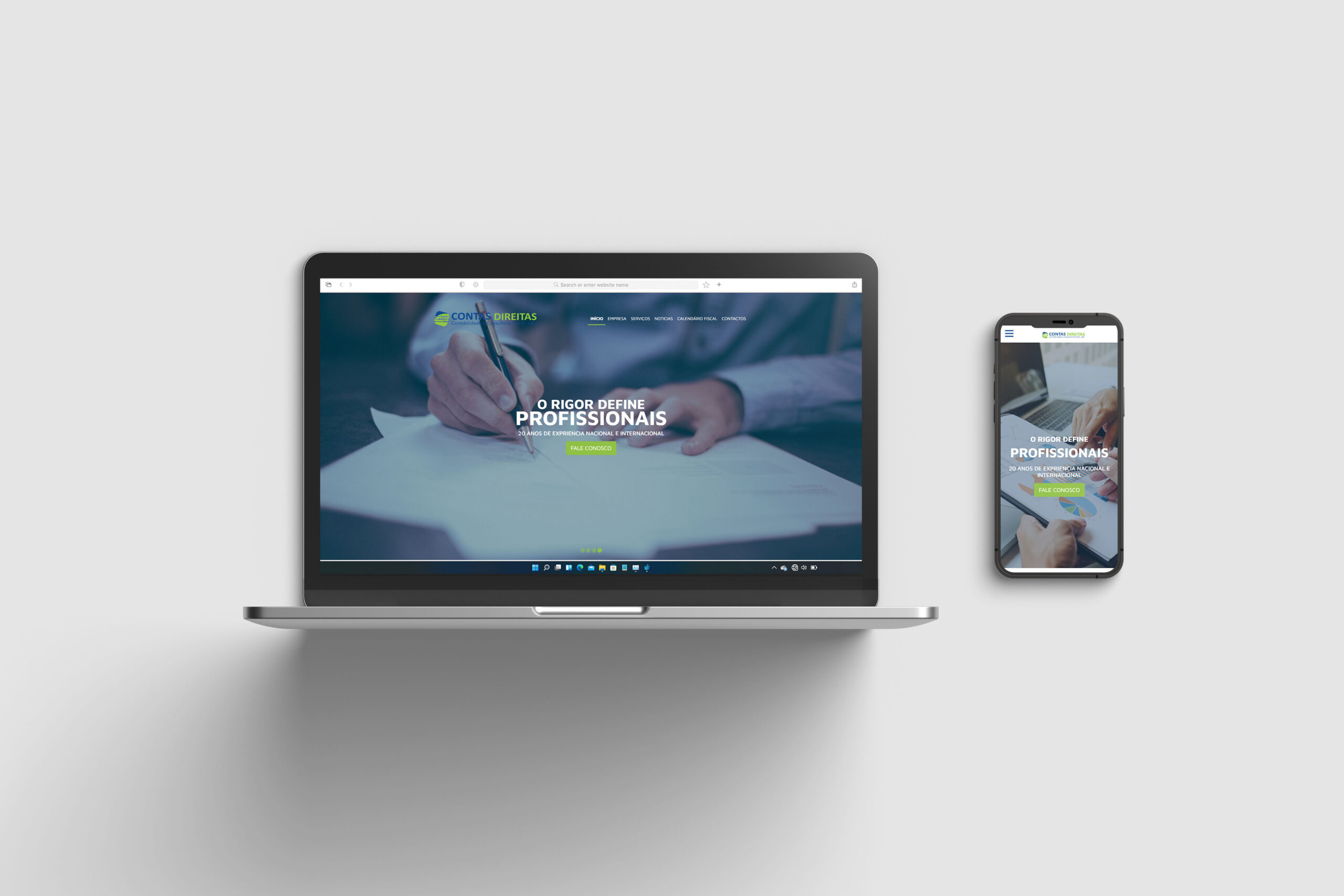
Contas Direitas

WAKER
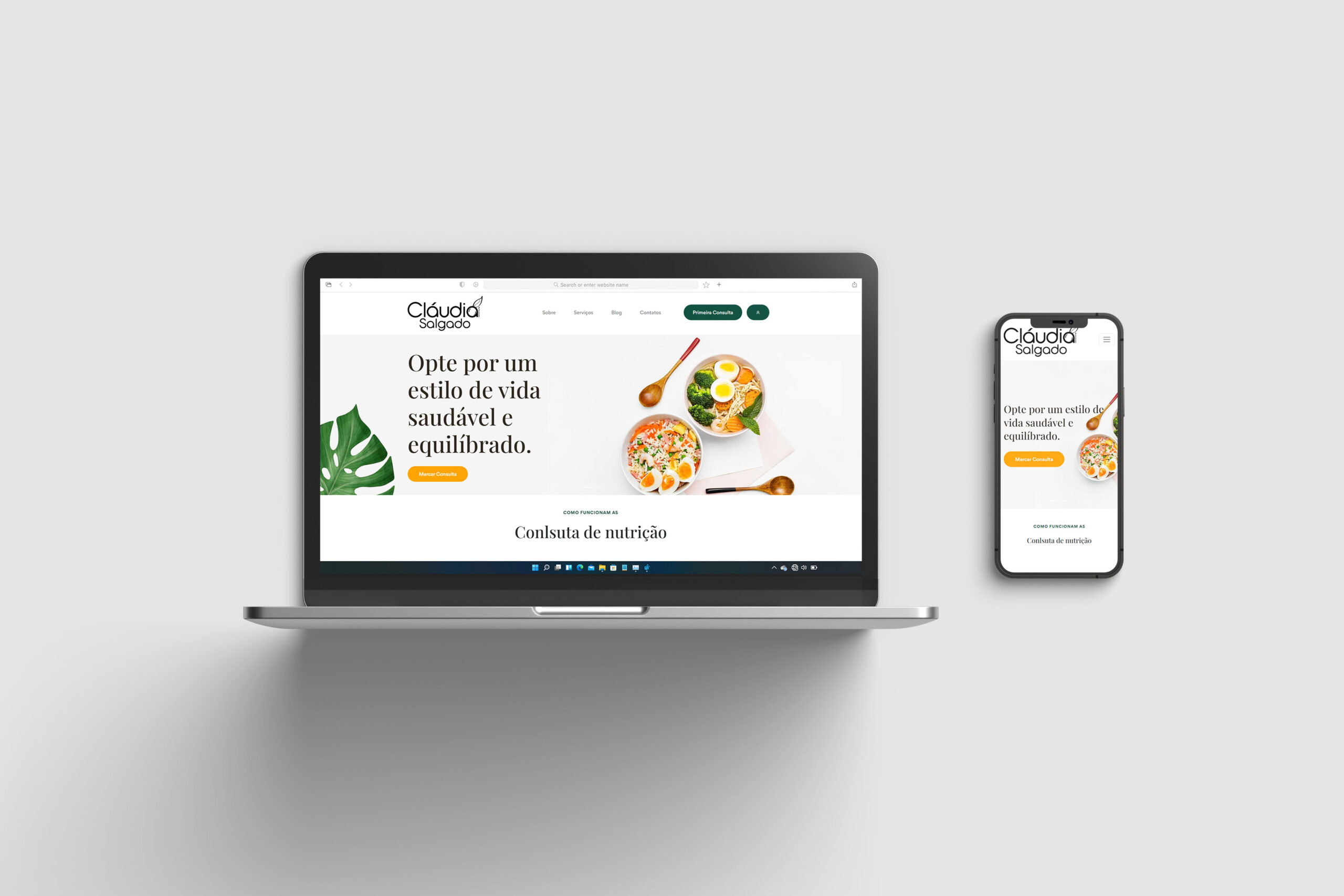
Cláudia Salgado – Nutricionista
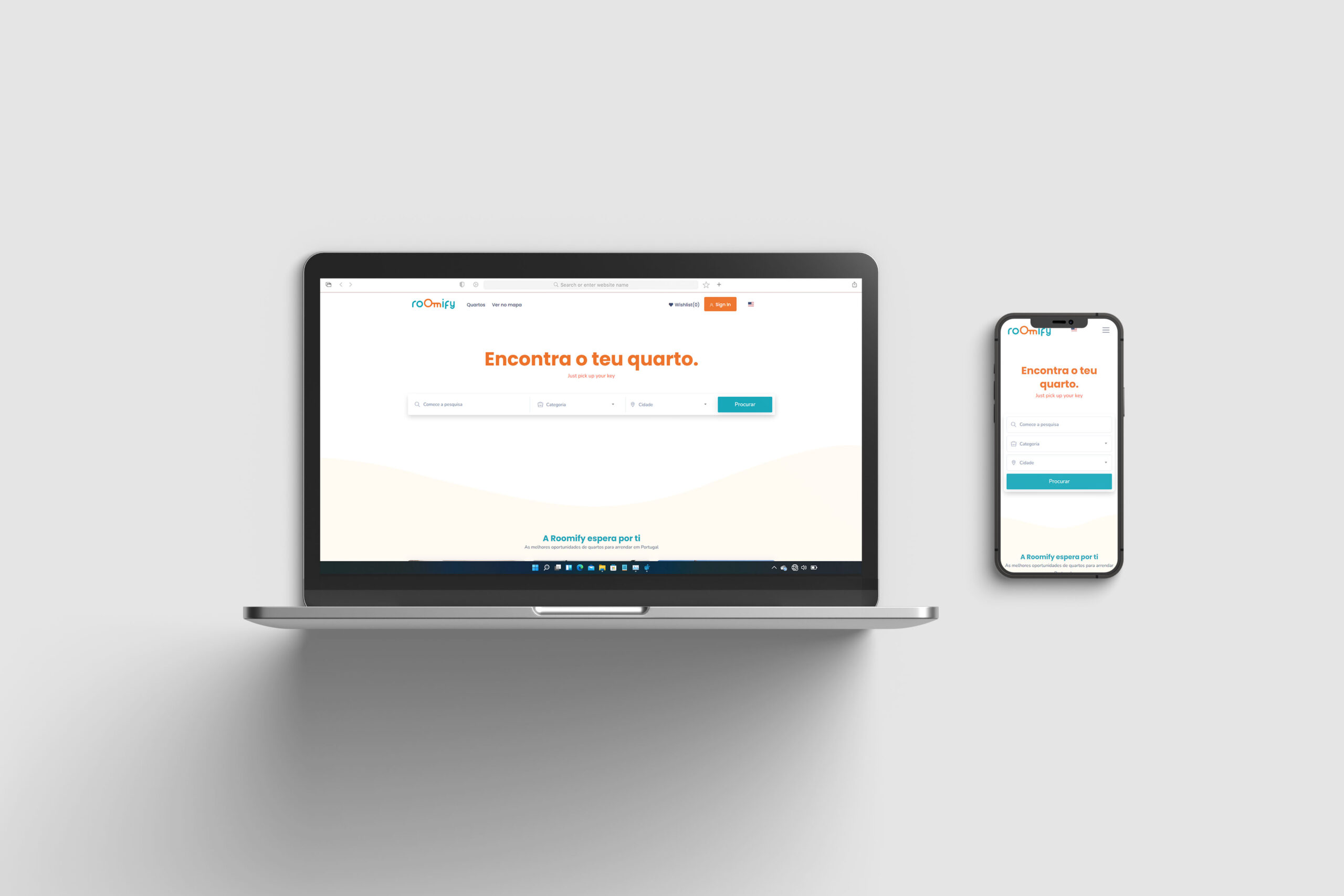
Roomify
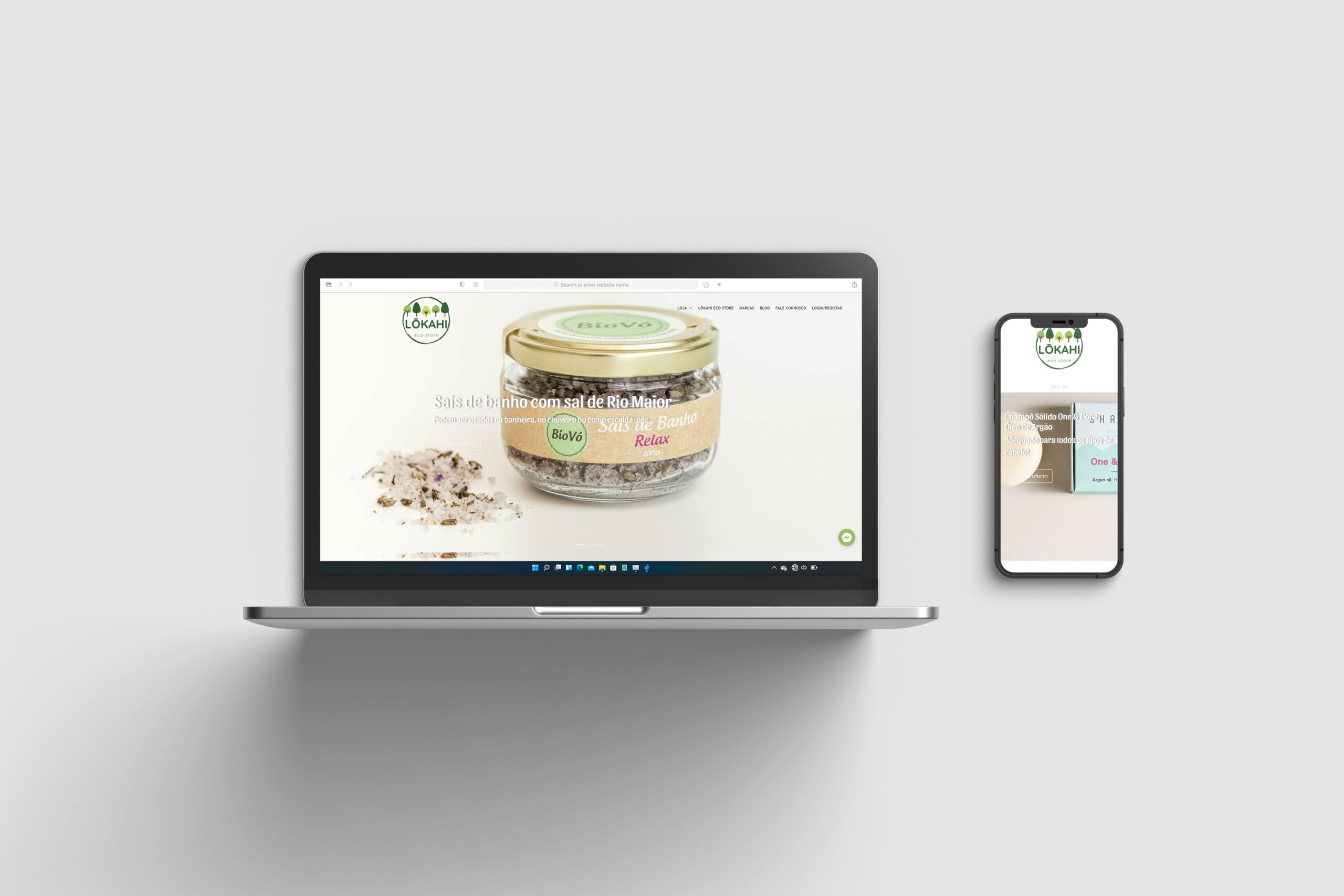
Lokahi – Eco Store
Protea

Sorriso de Alecrim
Natural Choices
GQ Group
Aveiro+
Way To Portugal
Bound2You

Puble
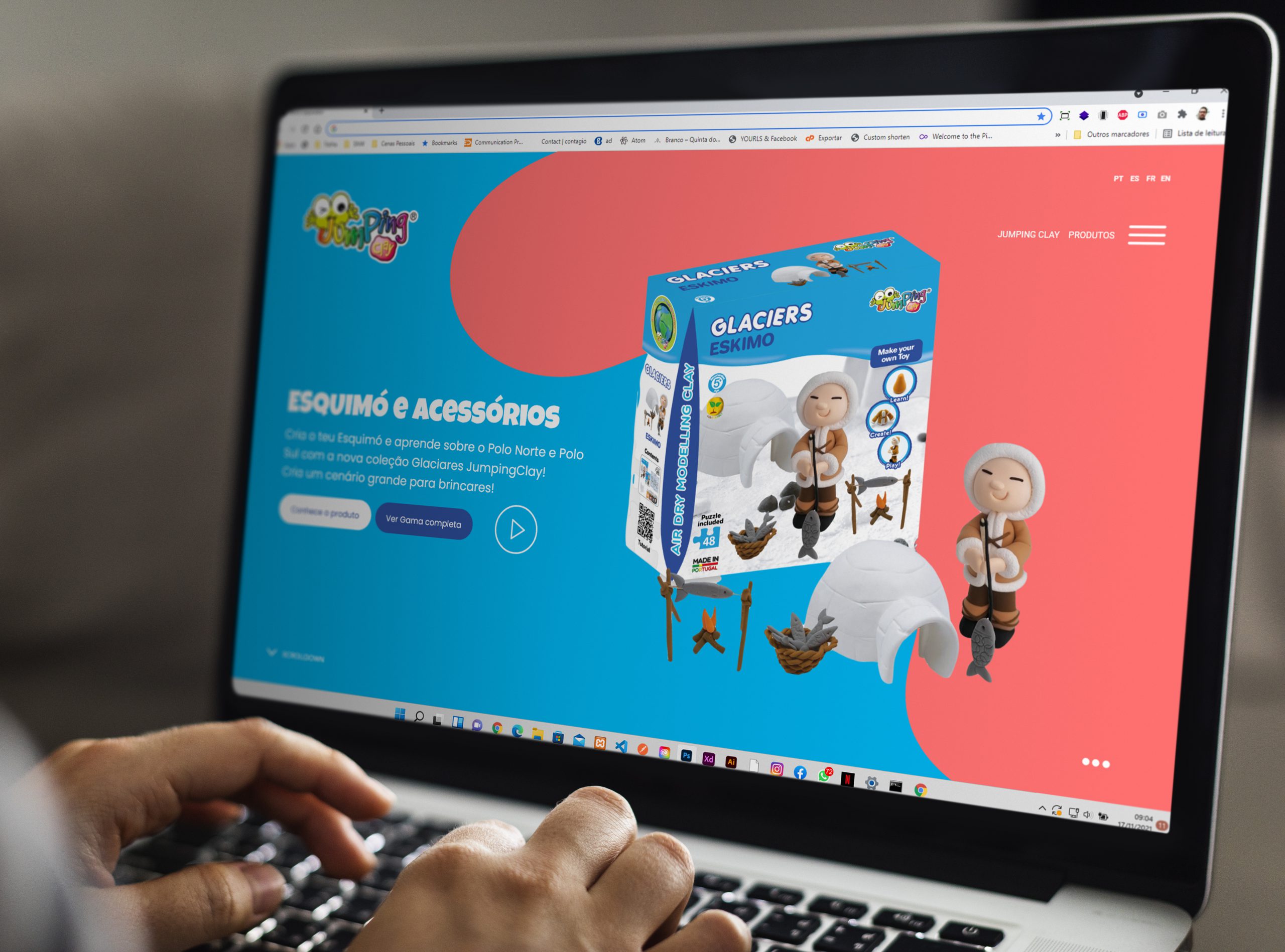
JumpingClay
You do not need to bring the solution ready-drawn. Explain how the work is done today and where it hurts, and the scope and the price are our side of it.
Other services in Development
Tell us when suits you and we will come back with a confirmation. It is not an automatic booking: a person always confirms the meeting.