Selling beyond opening hours and shop floor
A physical shop has limits on space and hours that an online shop doesn't.
An online shop with payments, shipping and invoicing connected, and a panel your team can actually use every day.
An online shop is less a website and more an operation. There are products to keep up to date, orders to dispatch, payments to reconcile, returns to handle, and customers waiting for a reply. So when we design the shop, we think as much about the person buying as about the person on your team who'll be logging in every morning.
We work with businesses selling their own products, with resellers, and with those taking a working physical shop online. The size of the catalogue isn't what matters most: a well-organised shop with twelve products sells more than one with a thousand where nobody can find anything.
If you sell services rather than products, the usual route is a website with a quote request. If you already have a shop and the problem is a lack of visitors, see SEO and SEM.
Requests for an online shop almost always reach us for one of these reasons.
A physical shop has limits on space and hours that an online shop doesn't.
Orders come in by phone or message, and someone spends the day copying them into spreadsheets and invoices.
People reach checkout and give up because the process is long, confusing, or doesn't feel trustworthy.
You sell online what's no longer in the warehouse, and the customer finds out after paying.
The monthly fee climbs with your sales, and the platform's rules decide what you can and can't do in your own shop.
A shop that sells but that nobody can manage is a problem postponed, not solved.
A shop opens once, but it lives every day. The process reflects that.
Before touching the look of it, we organise the catalogue: categories, variants, prices, tax, shipping costs, delivery zones and discount rules. It's the least visible part, and the one that determines most whether the shop works.
We design the path from search to checkout, with as few steps as possible and always with the phone in mind first. The product page is treated with the care of a shop window, with support from UX/UI design.
Payments, couriers and invoicing are connected to the shop through integrations, so an order generates a delivery note and invoice without anyone retyping a thing.
Before launch, we run purchases end to end, including payment, returns and cancellation, with your team trying out the management panel.
The shop opens with measurement already in place. In the first few weeks we look at where people give up and fix it, because that's where the easiest sales are to recover.
A working shop, and the ability to run it without depending on us for the day-to-day.
With a domain, security certificate, backups, and performance tuned for mobile.
Products, categories, variants and edited images, within the scope agreed in the quote.
The methods that make sense for your audience, tested with real transactions before launch.
Shipping cost calculation, delivery note issuing and a link to your invoicing software, depending on what can be integrated.
A session with the team and a manual for day-to-day tasks: publishing a product, handling an order, issuing a return.
Terms of sale, returns and privacy policy, cookie notice, and statistics with the purchase funnel.
The most common questions from those about to open a shop.
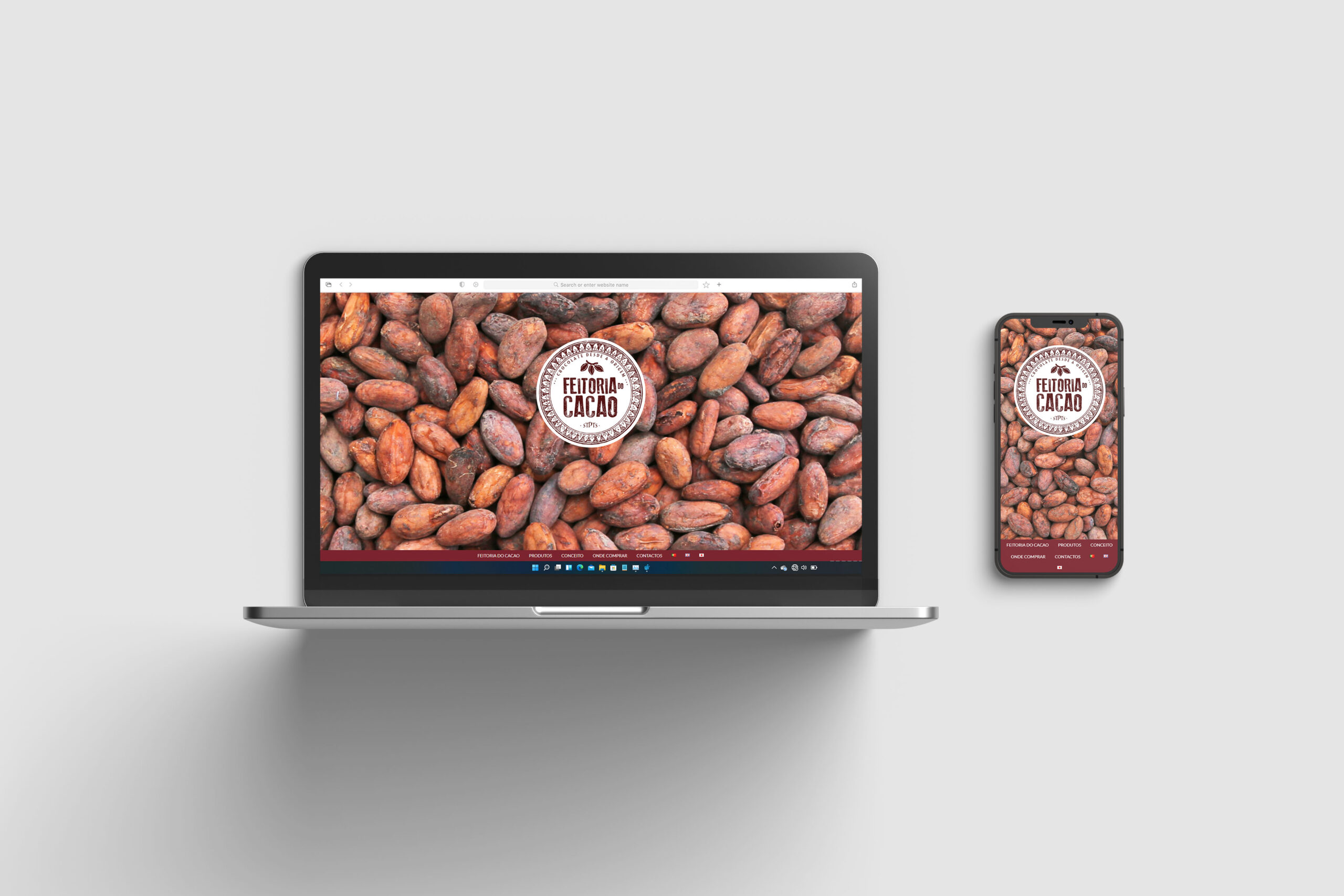
Feitoria do Cacao

Noeirinha
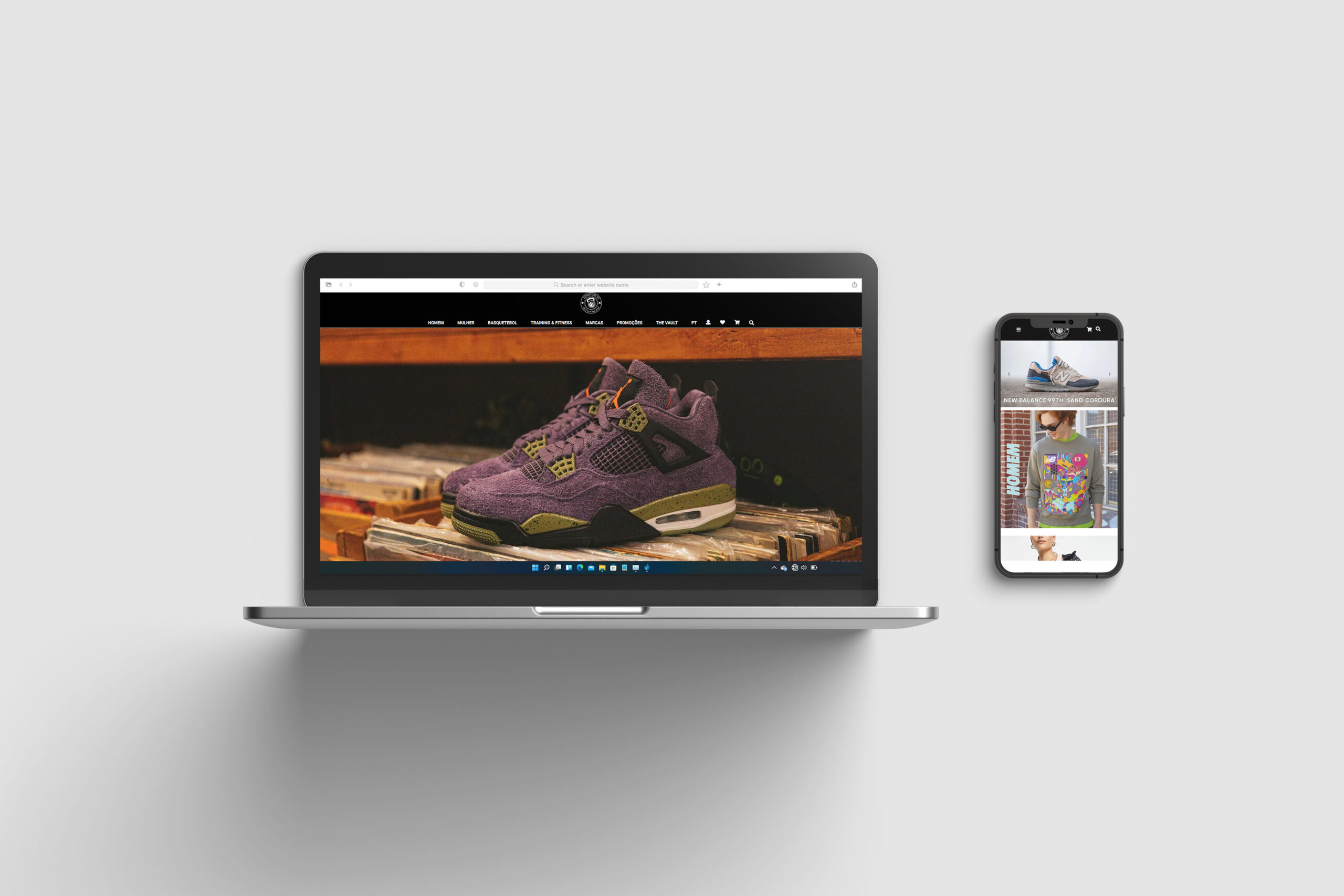
XIPA STORE
Gelato e Limonata

MagicBooks

AsNew
Cosmética outlet

WAKER
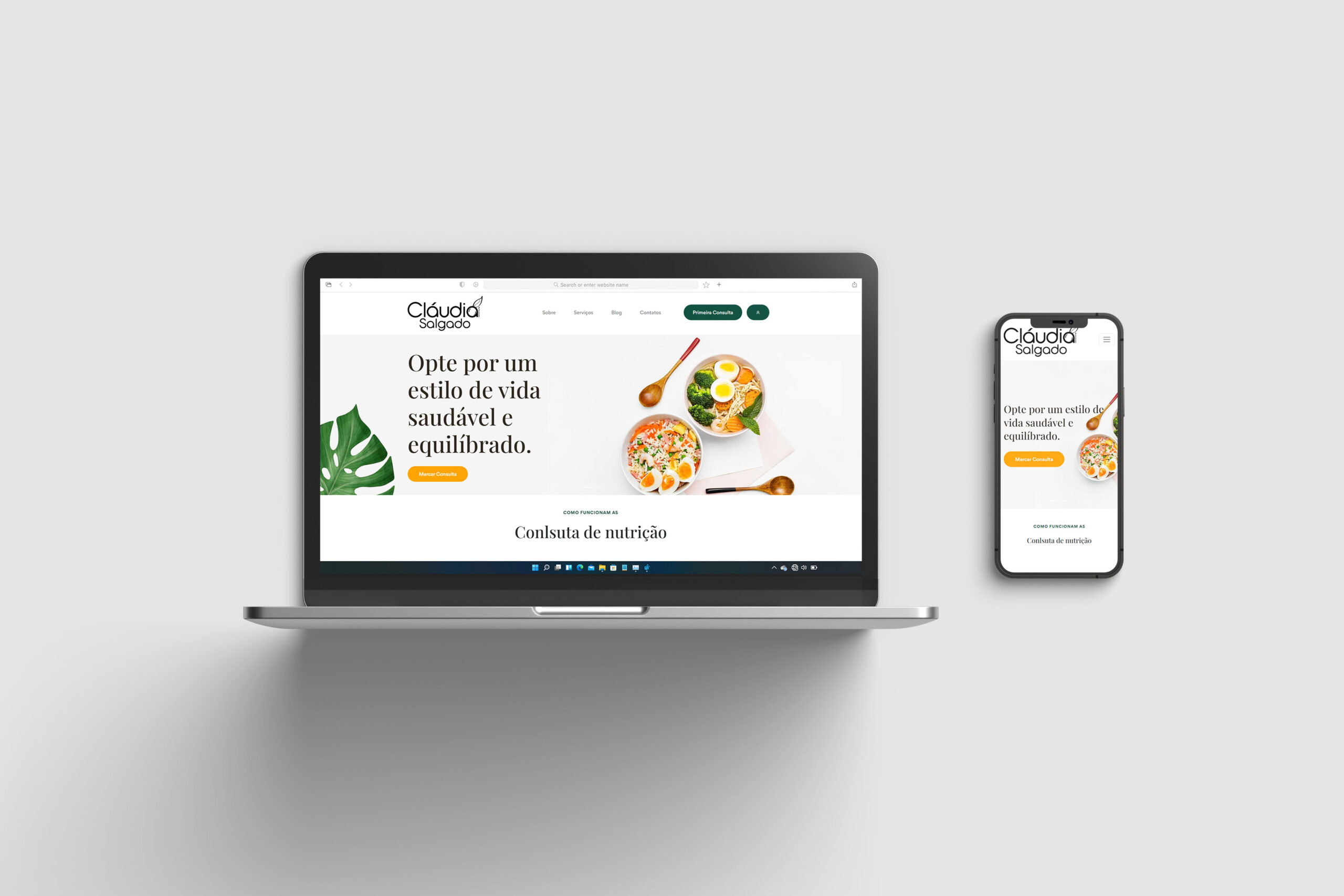
Cláudia Salgado – Nutricionista
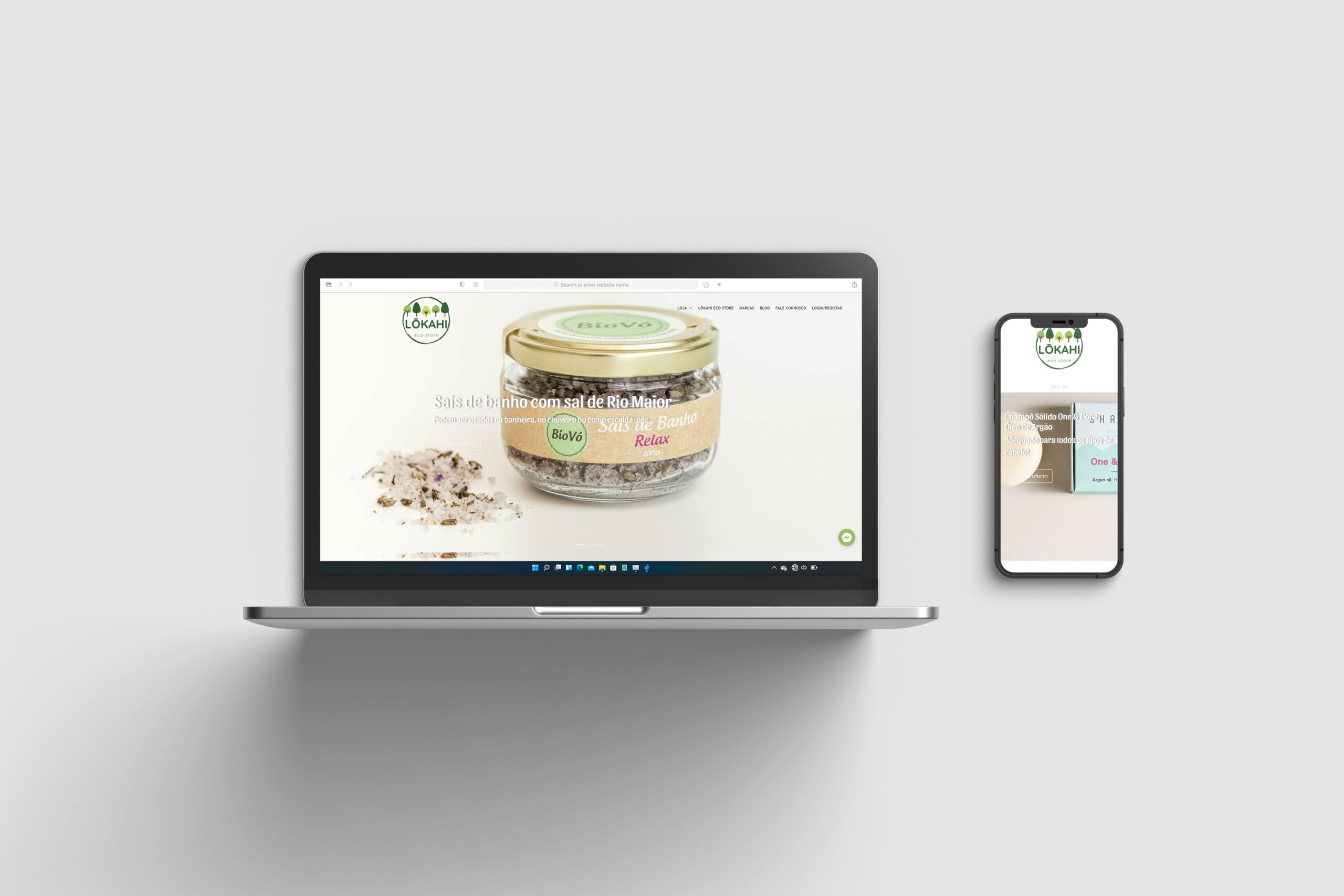
Lokahi – Eco Store
Natural Choices
Quinta Do Escudial
Bound2You
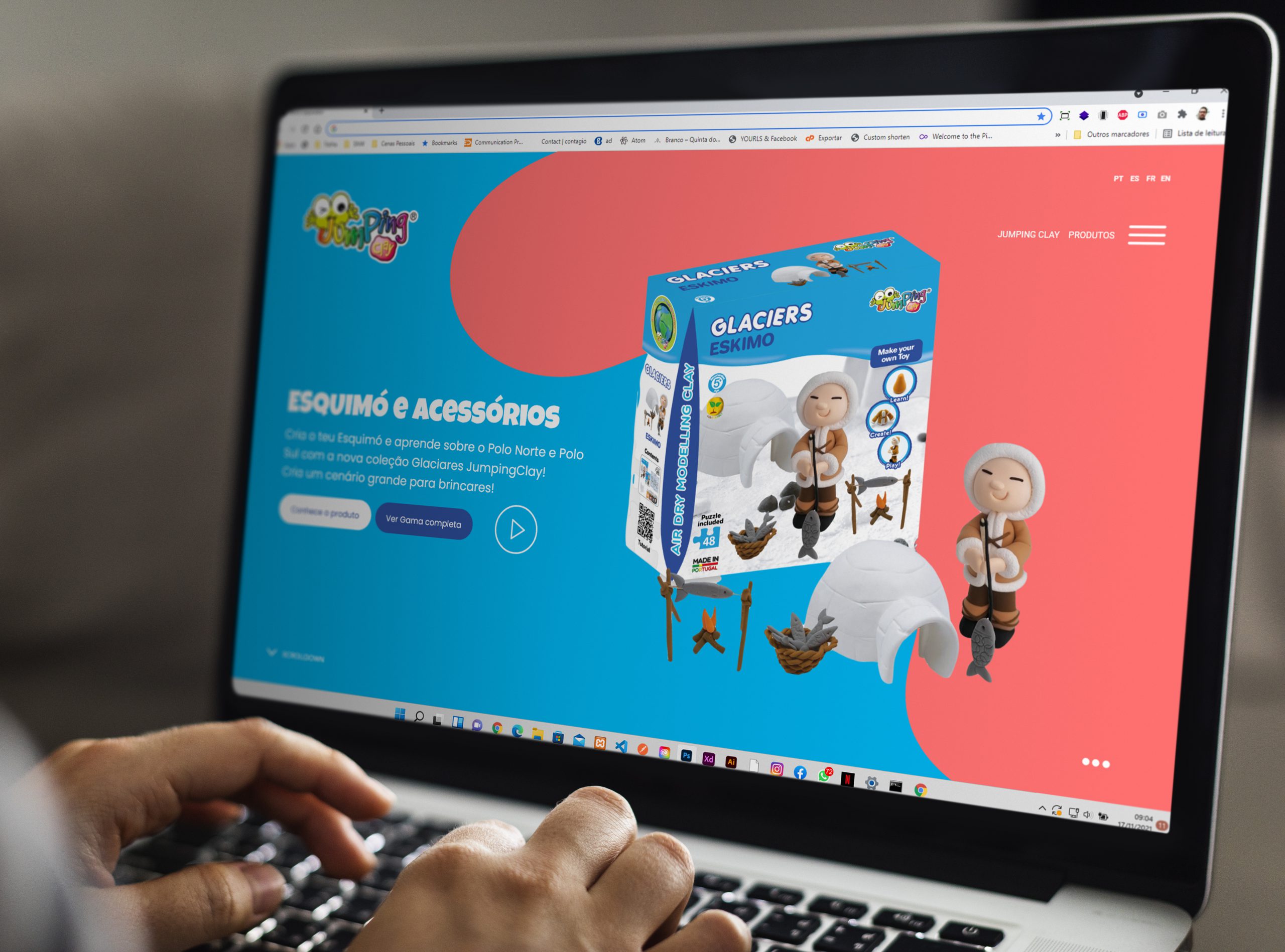
JumpingClay
Tell us what you sell, how many products you have and where you deliver to. With that, we can put together a concrete scope and price.
Other services in Development
Tell us when suits you and we will come back with a confirmation. It is not an automatic booking: a person always confirms the meeting.