Skip to content
Sectors

Retail and online shops: brand, shop and what makes it sell

Selling online is a different job from running a shop

An online shop is not a website with products inside it. It is an operation: someone has to load the items, edit the photographs, answer whoever asks about sizing, pack, ship and sort out next week's return. Almost every problem that reaches us from this sector is an operations problem wearing a website's clothes — the shop is slow because the photographs come straight off the camera, the basket gets abandoned because delivery charges only turn up at the end, stock stops matching because the shop floor and the website are two different lists.

We work both ends: the shop itself — catalogue, buying journey, payments and delivery charges — and what feeds it, which is the brand and the campaigns. A well-built shop with nobody driving traffic to it doesn't sell; traffic to a confusing shop doesn't either. When the business is both, a shop floor and a website at once, we make sure the two tell the same story and, whenever the system allows it, share the stock.

What usually holds orders back

Requests from this sector almost always reach us for one of these reasons.

There are visits, but no orders

The campaigns bring people in and the shop doesn't close the sale. It's usually not traffic that's missing: it's the price with delivery charges, the delivery time, and what happens if the item doesn't fit, that aren't clear.
The basket gets abandoned at the last step

Delivery charges, the timeframe or having to create an account only turn up after the person has picked everything. Whoever gives up at that point had already decided to buy — it's the most expensive kind of giving up there is.

The shop is slow on the phone

Most of a shop's visits arrive on a phone, and product photographs are the heaviest images on a website. Left untreated, the gallery opens after the person has already left.

The stock doesn't add up

Something gets sold in the shop that had already sold online, or the other way round. Two separate lists always end up in the same place: an apology and a refund.

Loading products takes an afternoon per item

When every product page is written from scratch, with photographs edited by hand and variants copied one by one, the catalogue stops growing. The shop stays stuck with the items that were already there.

What we usually do in this sector

The scope changes depending on whether it's a new shop, a growing shop, or a shop-floor business that wants to start selling online, but these are the jobs asked for most.

Online shop

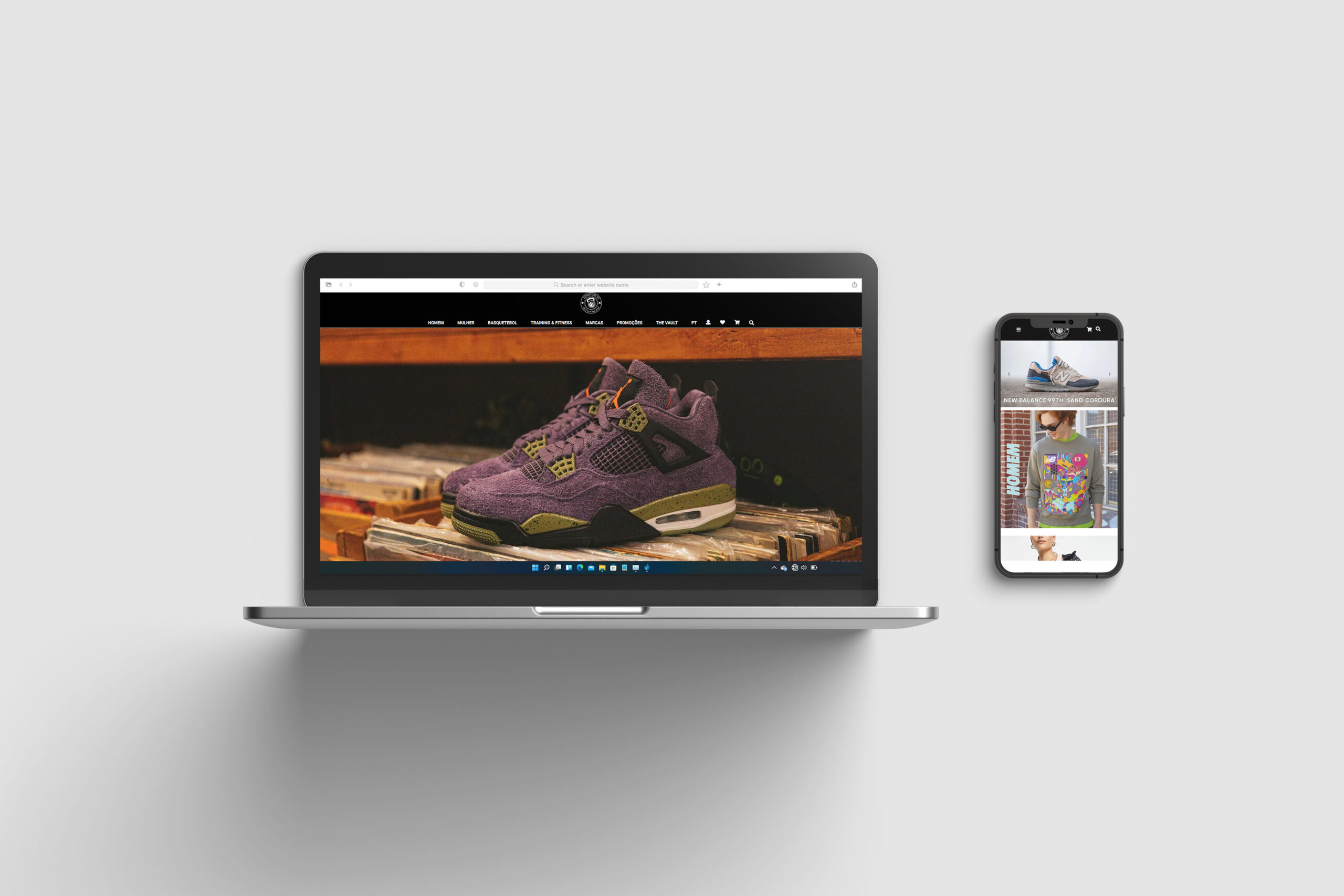
A catalogue with categories, filters and variants, a short buying journey, payments, delivery charges by weight or by zone, and a customer account with order history. That was the case with XIPA STORE, built around menus that make sense and a quick checkout.

Retail brand

Name, logo, palette and typography, plus what the shop uses every day: labels, packaging, bags, tape, thank-you cards and social post templates. In an online shop, the packaging is the only physical part of the brand the customer ever touches.

Photography and product pages

Photographs edited to load fast without losing their colour, and a product page template that states measurements, materials, delivery times and care instructions — which is what heads off half the questions and a good deal of the returns.

Campaigns and sales recovery

Ads and content split by objective: getting known, bringing back people who've already visited, and recovering baskets left half-full. Three different audiences, three different messages.

Links to what you already use

When there's an invoicing program, a stock system or something running the shop floor, the online shop can talk to it: items come in from there and orders go back to it, with nobody copying anything by hand.

Shop-floor materials

Shop window, vinyl graphics, signage and print, so whoever walks past the door finds the same brand they see on their phone.

Services most requested by sellers

Each page explains the process, what you get at the end, and the questions asked most often.

Projects in the sector

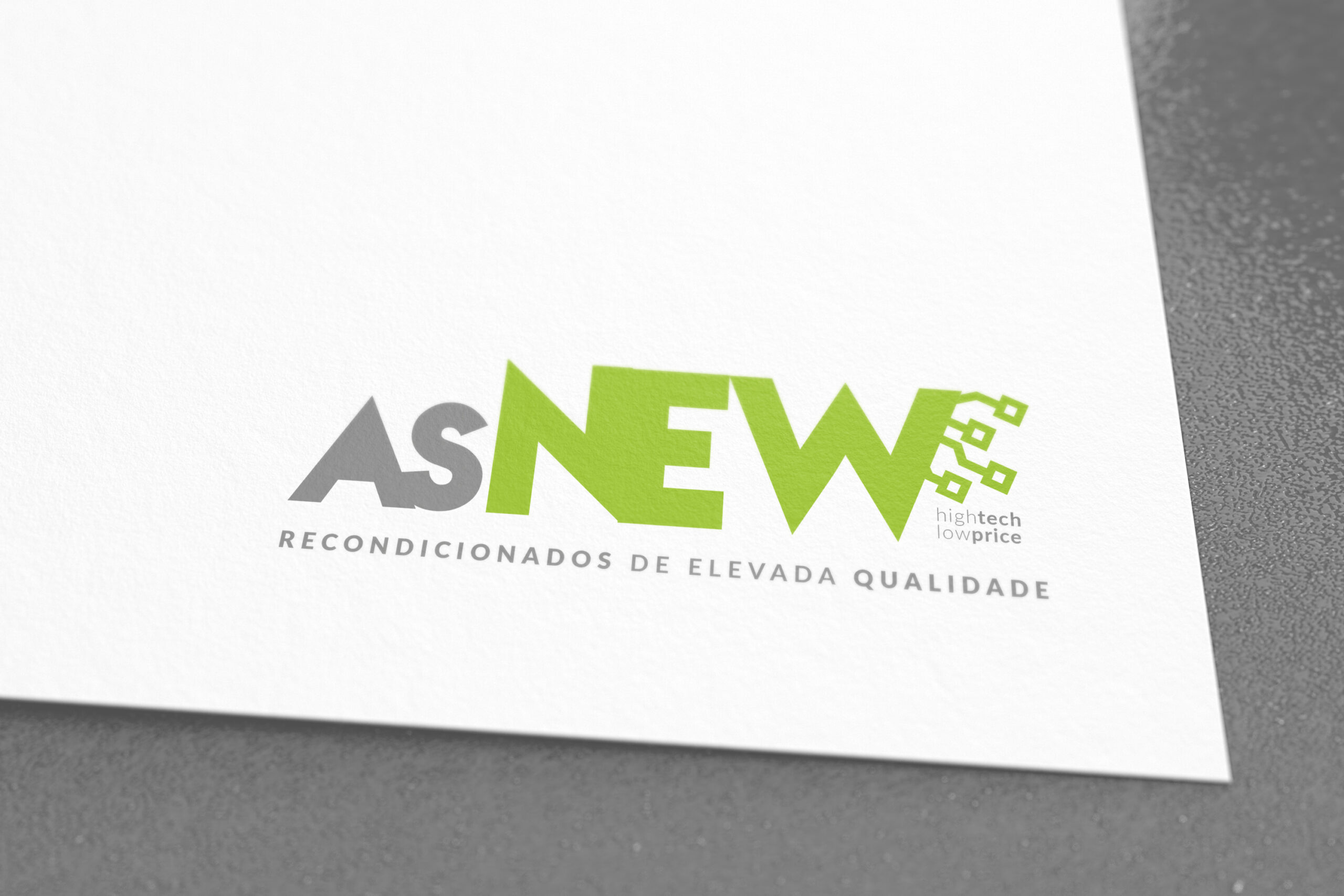
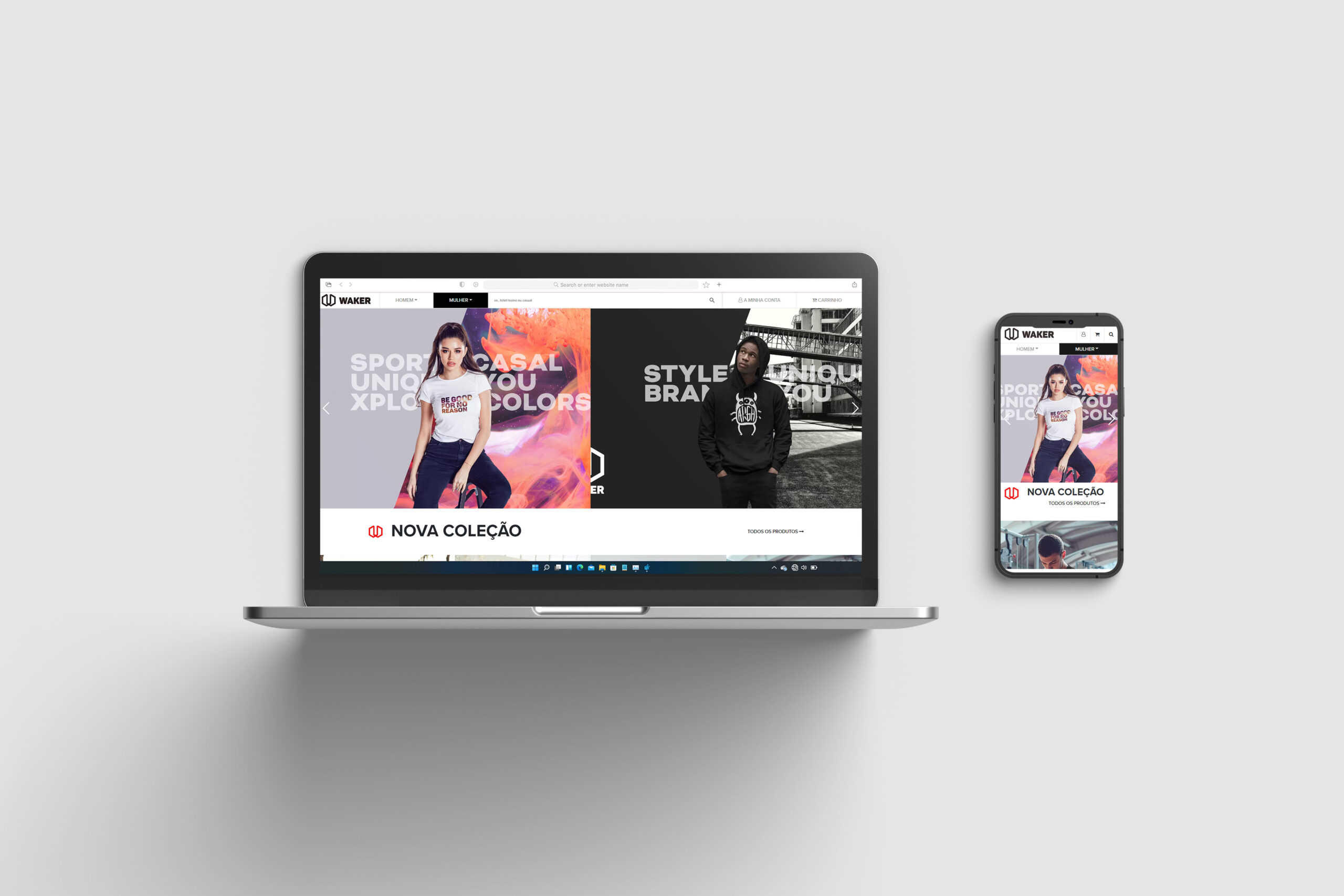
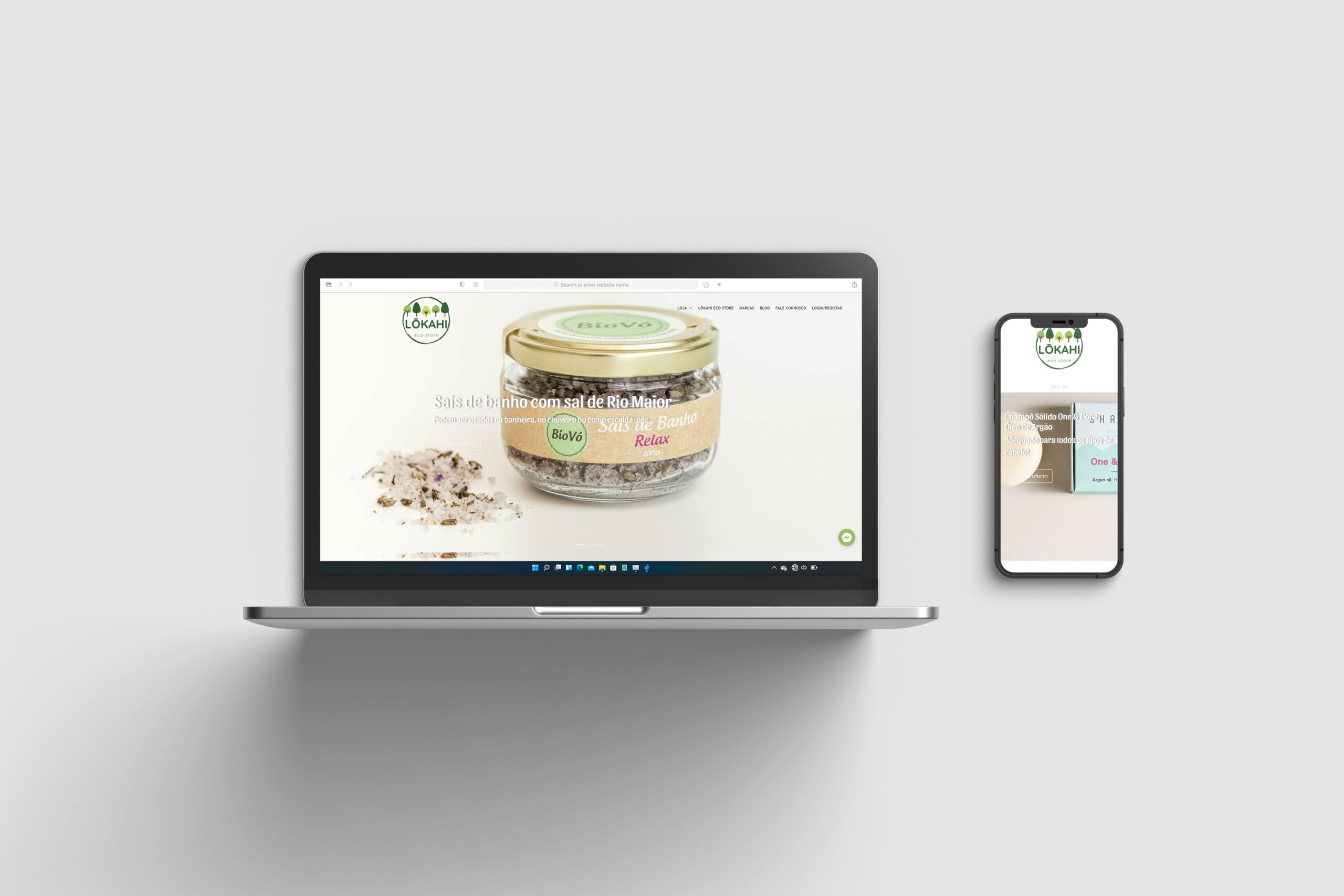
XIPA STORE is a website and online shop with menus that make sense and a buying journey built to be quick. Lokahi – Eco Store, Natural Choices and WAKER bring brand and shop together in the same job; MagicBooks and AsNew started at the name. The rest is in the portfolio.

Common questions from online sellers

The questions that reach us most often before starting a project in this area.

How long does it take to get an online shop up and running?

It depends mainly on the catalogue, not the shop. The technical part — catalogue, payments, delivery charges, customer account — is predictable. What usually stretches the timeline is gathering photographs, measurements and descriptions for every item. A shop with thirty products and the material ready moves quickly; one with a thousand, and no product pages written, is a different job, and we say so in the proposal.

Can the online shop share stock with the shop floor?

It can, as long as the program you use on the shop floor offers a connection for it. That's the integrations and APIs work: stock becomes a single list, and the same item stops selling twice. When the program doesn't open that door, we say so before starting, and there's always the option of syncing by file, with the delay that involves.

Is it better to have your own shop or sell on marketplaces?

They're not alternatives: they do different things. A marketplace brings volume quickly, but the customer relationship and the margin stay there. Your own shop costs more to get moving and is where the brand and the customer list get built. The usual answer is to have both, with your own shop taking in people who already know you and the marketplace bringing in the ones who don't yet.

Want to open or rebuild your shop?

Tell us what you sell, how many items you have and where you ship to. You'll get a proposal with scope, phases and price, whether it's for the shop, the brand or the campaigns.

Book a meeting

Tell us when suits you and we will come back with a confirmation. It is not an automatic booking: a person always confirms the meeting.

Morning or afternoon

Ready for now?

Get our work in your inbox: new projects, what we learn along the way and little else. No spam, and you can leave whenever you like.